
In this article

ICMR Protein Requirements India 2026: How to Meet Them Daily
The headlines in May 2024 were stark: "ICMR issues dietary recommendations with special focus on protein supplements." "ICMR advises against protein supplements." For health-conscious Indians, this created instant confusion. Does this mean all protein powders are bad?
📌 Complete Guide:
plant-based protein sources India guide
— our full hub article covering all plant protein sources, ICMR requirements, and supplement choices for Indian vegetarians.
Also read: top-rated plant protein powder in India
Here's the truth the headlines missed: The ICMR is 100% correct to warn against the indiscriminate use of certain types of protein supplements. But their guidance also reveals the precise, ethical framework for using the right kind of supplement—a complete daily wellness protein—to solve the very nutritional gaps their research has exposed.
OUR PHILOSOPHY: FOOD FIRST. SUPPLEMENT SMART.
At Sovor Edge, "Food First. Supplement Smart." means we start with the ICMR's ideal: a diverse, whole-foods diet. But we're also smart about the reality: 84% of Indian vegetarian diets are protein deficient. We use targeted supplementation to fill these specific, research-backed gaps—without the additives, high doses, and false promises the ICMR warns against.
This definitive guide bridges the ICMR-NIN's "Food First" ideal with the reality of modern life. You'll discover what the 2024 guidelines really say, the science of plant protein absorption, and how a complete daily wellness protein can be your strategic partner in achieving optimal health, ethically and effectively.
📊 The Indian Vegetarian Nutrition Gap: ICMR Ideals vs. Documented Reality
| Nutrient | ICMR 2024 Ideal | Documented Reality (2023-2025 Data) | The Consequence |
|---|---|---|---|
| Protein (Quality & Quantity) | 0.83 g/kg/day from Cereal:Legume:Milk (3:1:2.5) | 84% of vegetarians deficient; 12% of calories from protein (vs. 15% rec.) (ICMR-INDIAB 2025) | Fatigue, Muscle Loss, Metabolic Risk |
| Vitamin B12 | 1μg from diet | 4.4x higher deficiency in vegetarians (209 vs. 303 pmol/L) (Shridhar K, 2014) | Fatigue, Nerve Issues, Brain Fog |
| Vitamin D3 | 600 IU from sun/diet | >70% of urban Indians deficient (ICMR-NIN Reports) | Poor Immunity, Bone Health Risks |
Sources: ICMR-NIN 2024 Guidelines, ICMR-INDIAB 2025 Study, Shridhar K et al. 2014
1. Decoding the 2024 ICMR Warning: The Ethical Framework for "Supplementing Smart"
The new ICMR-NIN 2024 Dietary Guidelines are a landmark document. Their warning against protein supplements is specific and important to understand. Guideline 8 states: "Get good quality proteins and essential amino acids through right mix of foods and AVOID protein supplements to build body mass."
⚖️ UNDERSTANDING THE ICMR'S CONCERNS
The ICMR cautions against supplements for four key reasons:
1. Lack of Whole-Food Matrix: They lack the fiber and phytonutrients of whole foods.
2. Additives: They are "often high in sugar, salt, and unhealthy fats."
3. Inefficacy for Muscle Building: "Protein intake >1.6 g/kg/day does NOT contribute further to resistance training-induced gains."
4. Health Risks: "Prolonged intake associated with bone mineral loss and kidney damage."
Source: ICMR-NIN Dietary Guidelines for Indians - 2024
This warning is primarily targeted at high-dose, single-nutrient, bodybuilding-focused powders used by healthy individuals seeking to build muscle mass. It is a critique of an industry, not of the principle of filling nutritional gaps.
The Bridge - Supplementing Smart: A complete daily wellness protein exists in a different category. It is not a "mass gainer." It is a holistic nutritional tool designed to address the specific deficiencies the ICMR itself has documented. Let's analyze how an ethical product addresses each ICMR concern:
- Addressing the "Whole Food" Gap: While not a whole food, a wellness-focused formula can include prebiotic fibers and be consumed as part of a whole-food-based diet (e.g., in a smoothie with fruits/vegetables), aligning with the "Food First" principle.
- Eliminating Additives: It must be made with clean ingredients—no added sugars, artificial sweeteners, or flavors. This directly answers the ICMR's criticism.
- Right-Sizing the Dose: It provides a moderate dose of protein (~21g) to help meet the RDA of 0.83g/kg, not the excessive doses (>1.6g/kg) the ICMR deems unnecessary and risky.
- Providing Holistic Nutrition: It integrates other critical nutrients Indians are deficient in—like Vitamin B12 and D3—making it a multi-faceted solution, not just a protein shot.
💡 THE ETHICAL SUPPLEMENTATION FRAMEWORK
According to a critical analysis in the Times of India, the ICMR's blanket discouragement needs contextualization. Supplements can be practical for athletes in intense training or individuals with clinical needs like digestive disorders. The key is purpose and context. Using a clean, moderate-dose, multi-nutrient protein to prevent deficiency is fundamentally different from using a high-dose whey isolate to "bulk up."
2. The Science of Absorption: Why Plant Protein Needs a Helping Hand
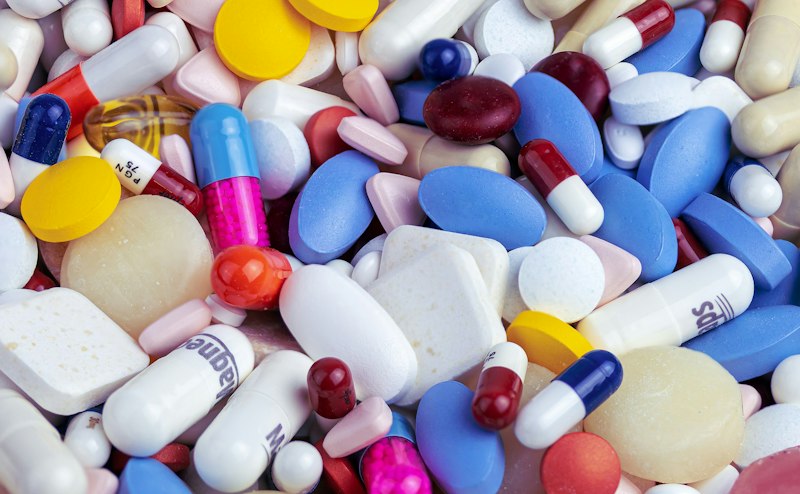
Even if you eat enough protein, your body must absorb it. This is where many Indian vegetarians face a hidden challenge. A 2025 scoping review in Food Reviews International confirmed that amino acid absorption from plant proteins is slower and less efficient than from animal proteins.
The reasons are multifaceted: the plant cell matrix, the presence of anti-nutrients, and the specific protein structures. However, modern food science has identified powerful solutions.
🔬 BREAKTHROUGH RESEARCH (2024)
A 2024 Randomized Controlled Trial published in Frontiers in Nutrition found that combining pea protein with a specific blend of enzymes and probiotics (Pepzyme Pro) significantly enhanced absorption.
Key Findings:
- Increased absorption of Essential Amino Acids by 25-57%.
- Reduced the time to maximum absorption for key amino acids.
- Conclusion: "Enzymes-probiotics blend enhances pea protein digestion/absorption."
Source: Rathi A, et al. (2024). Front Nutr, 11:1328328.
This isn't just about adding more protein; it's about ensuring the protein you consume is actually used by your body. This research validates the "Supplement Smart" approach: choosing a product designed for bioavailability.
How Processing Unlocks Plant Protein Power
A 2024 review in Food Hydrocolloids highlighted that processing methods dramatically affect protein absorption:
- Fermentation: Breaks down complex structures, reduces anti-nutrients, and can increase free amino acids by 20-30%.
- Enzymatic Hydrolysis: "Pre-digests" proteins, making them easier for the body to absorb.
- Low-Heat Treatment: Can degrade protein chains to enhance digestibility.
This scientific evidence moves the conversation beyond "protein vs. no protein" to "smart protein vs. dumb protein." A complete daily wellness protein uses this science to ensure efficacy.
🔍 Discover Your Personal Nutrition Gap
Are you part of the 84%? Use our ICMR-based calculator to see if you're meeting your protein, B12, and D3 needs.
Used by over 15,000 Indians to optimize their nutrition strategy.
3. The Three Pillars of a Truly "Complete" Daily Wellness Protein
Given the ICMR's stance and the absorption science, a legitimate complete daily wellness protein must be built on three non-negotiable pillars.
Pillar 1: Complete and Bioavailable Protein
This goes beyond just having a high gram count. It means providing all 9 Essential Amino Acids in a form your body can easily use. The ICMR's 2020 RDA update specifically adopted the DIAAS (Digestible Indispensable Amino Acid Score) over the older PDCAAS method, emphasizing the importance of digestibility. A blend of plant proteins (e.g., pea, brown rice, chickpea) can achieve this complete amino acid profile, mirroring the ICMR's recommended "cereal-pulse" combination but in a more bioavailable form.
This is crucial because up to 73% of Indians are protein deficient, often showing subtle signs of protein deficiency that go unnoticed until they become serious health issues.
Pillar 2: Addressing Core Micronutrient Deficiencies
As the data shows, protein isn't the only gap. A holistic product must include:
- Vitamin B12 (1μg RDA): Critical for nerve health and energy, and nearly impossible to get from a pure vegetarian diet.
- Vitamin D3 (600 IU RDA): Essential for immunity and bone health, with deficiency rates exceeding 70%.
These deficiencies manifest as specific B12 and D3 deficiency symptoms that many vegetarians experience daily but often misattribute to stress or aging.
Pillar 3: A Clean, Transparent, and Safe Formula
This pillar directly answers the ICMR's concerns about additives and health risks. The formula must be:
- No Added Sugars: Sweetened only with natural, non-glycemic options like Monk Fruit.
- Free from Artificial Additives: No flavors, colors, or sweeteners.
- Gut-Friendly: Formulated to prevent bloating, a common issue with plant proteins.
- FSSAI Certified: Ensuring quality and safety standards are met.
Many experience protein powder bloating, which can be solved with proper formulation and digestive enzymes that enhance absorption.
💎 The True Value of a Complete Formulation
While a basic pea protein might seem cheaper, it lacks the completeness and added nutrients that solve the specific Indian vegetarian gap.
- B12 + D3 Inclusion: Purchasing these separately from a reputable brand can cost an additional ₹800-₹1,200 per month.
- Complete Amino Acid Profile: Saves you the time and effort of meticulously planning every meal to achieve protein completeness.
- Digestive Support: Avoids the discomfort and inefficiency that can come with poorly digested plant proteins.
A true daily wellness protein is an investment in convenience, efficacy, and holistic health, not just a source of protein grams.
🤔 People Also Ask About Complete Daily Wellness Protein
Doesn't the ICMR say to avoid all protein supplements?
The ICMR's 2024 warning specifically targets protein supplements "to build body mass." Their criticism is against high-dose, additive-filled products used by healthy individuals for muscle gain. A complete daily wellness protein is a different category: a moderate-dose, multi-nutrient product designed to fill documented dietary gaps (B12, D3, EAAs) for general health and deficiency prevention, aligning with a "Food First. Supplement Smart." approach.
How is this different from a gym protein powder?
Gym proteins focus on one goal: delivering a massive, isolated dose of protein for muscle synthesis. A complete daily wellness protein focuses on holistic health. It provides a balanced dose of complete protein alongside essential vitamins (B12, D3) and is designed for easy digestion and daily use. It's about supporting your entire body's needs, not just your muscles.
Can I get all this from food alone?
In an ideal world, yes. But the data shows most Indians don't. It requires meticulous daily planning, significant time for food preparation, and a higher grocery budget to consistently achieve the perfect balance of complete protein, B12, and D3. A complete daily wellness protein is not a replacement for a healthy diet; it's a convenient and reliable safety net that guarantees you meet these critical nutritional benchmarks every day.
Frequently Asked Questions (FAQs)

💡 Your Questions, Answered
Based on the latest ICMR 2024 guidelines and nutritional science, here are answers to the most common questions about complete daily wellness protein.
1. Doesn't the ICMR say to avoid all protein supplements?
The ICMR's 2024 warning specifically targets protein supplements "to build body mass." Their criticism is against high-dose, additive-filled products used by healthy individuals for muscle gain. A complete daily wellness protein is a different category: a moderate-dose, multi-nutrient product designed to fill documented dietary gaps (B12, D3, EAAs) for general health and deficiency prevention.
2. How is a complete daily wellness protein different from a gym protein powder?
Gym proteins focus on one goal: delivering a massive, isolated dose of protein for muscle synthesis. A complete daily wellness protein focuses on holistic health. It provides a balanced dose of complete protein alongside essential vitamins (B12, D3) and is designed for easy digestion and daily use. It's about supporting your entire body's needs, not just your muscles.
3. Can I get all the nutrients from food alone?
In an ideal world, yes. But data from ICMR shows 84% of Indian vegetarians are protein deficient. Consistently achieving the perfect balance of complete protein, B12, and D3 requires meticulous planning and a high budget. A wellness protein acts as a convenient and reliable safety net.
4. What does 'Supplement Smart' mean in practice?
'Supplement Smart' means: 1) Prioritizing a whole-foods diet first, 2) Identifying your specific nutritional gaps, 3) Choosing a clean, moderate-dose supplement that addresses multiple gaps, and 4) Using it consistently as part of a balanced lifestyle, not as a quick fix.
5. Is it safe to take daily? What about kidney damage?
The ICMR's concern about kidney damage relates to prolonged intake of very high protein doses (>1.6-2.2 g/kg/day). A complete daily wellness protein provides a moderate dose (~21g) to help meet, not vastly exceed, the ICMR RDA of 0.83 g/kg/day, which is designed to be safe for healthy adults.
6. I'm not a bodybuilder. Should I still consider this?
Genuinely. This product is designed for everyone, especially those with sedentary or moderately active lifestyles. It addresses the widespread deficiencies of B12, D3, and quality protein that affect energy levels, immunity, and long-term health in the general population.
7. How does it help with B12 and D3 deficiency?
It provides 100% of the ICMR RDA for both Vitamin B12 (1μg) and Vitamin D3 (600 IU) in each serving. This is crucial for vegetarians, as B12 is not found in plants and D3 deficiency is rampant despite India's sunshine.
8. What makes the protein 'complete'?
A complete protein contains all nine essential amino acids that your body cannot produce. While single plant proteins are often incomplete, a blended plant protein formula ensures all nine are present in the right ratios, similar to the ICMR's recommended dal-rice combination.
9. Will it cause bloating like other plant proteins?
A high-quality formula is designed to be gut-friendly. Look for features like added digestive enzymes or prebiotic fiber, which research (like the 2024 Frontiers in Nutrition study) shows can enhance digestion and reduce discomfort.
10. Is it suitable for people with diabetes?
A complete daily wellness protein that is certified to have no added sugar and uses natural, non-glycemic sweeteners like Monk Fruit is an excellent choice for those managing blood sugar, as protein can help with satiety and stable energy.
11. How does this fit into the ICMR's 'My Plate' model?
Think of it as a nutritional "insurance policy" for your plate. While you fill half your plate with vegetables and the rest with cereals and pulses as ICMR recommends, the wellness protein ensures the quality of your protein and fills the micronutrient gaps that are hard to meet consistently.
12. What if I already take B12 and D3 supplements?
A complete daily wellness protein can simplify your routine by consolidating multiple supplements into one. However, you should consult with your healthcare provider to adjust the dosage of your individual supplements to avoid exceeding safe upper limits.
Ready for Ethically-Sourced, Complete Nutrition?
Thousands of Indians have already of Indians who bridge their nutritional gap the smart way. Subscribe and save 18%.
🎯 Why Subscribe to Sovor Edge?
- ✅ Save 18% on every order
- ✅ Free shipping on all subscriptions
- ✅ Flexible delivery (pause or cancel anytime)
- ✅ Priority support and formulation updates
✓ ICMR-Aligned Philosophy ✓ 100% Plant-Based ✓ No Added Sugar ✓ FSSAI Approved
Conclusion: Your Bridge to Informed and Ethical Nutrition
The 2024 ICMR guidelines are not a roadblock to smart nutrition; they are a roadmap. They urge us to be discerning, to prioritize whole foods, and to reject the hype of the supplement industry.
By embracing a "Food First. Supplement Smart." mindset, you can honor this guidance while taking proactive, scientifically-backed steps to solve the undeniable nutritional gaps in the modern Indian vegetarian diet. A complete daily wellness protein, chosen with care and clarity, is that smart solution—a safe, effective, and ethical bridge to the vibrant health the ICMR wants for every Indian.
For a complete breakdown of how much protein your body actually needs, see our guide on daily protein intake requirements for Indians.

Arvind Jadli
Founder, Sovor Health & Guided Success Academy
Arvind runs Sovor Health and an active D2C store. These recommendations come from real usage and research by our team - not sponsored briefs.
Plant protein powder for women and beginners
One scoop a day works for anyone. Sovor Edge is a vegan protein powder with 21g of complete protein a scoop from pea and brown rice — monk-fruit sweetened, no added sugar, no sucralose.