
In this article

📅 Last Updated: May 2026
⏱️ Read Time: 18 minutes
🎯 Bottom Line: Complete guide to plant protein India — sources, science, and practical solutions for vegetarians.
Plant Protein India: Complete Guide for Vegetarians 2026
Most Indians get their protein from dal and roti. But is that enough? If you're a vegetarian in India, you've probably heard this question before. Maybe you've even asked it yourself while staring at a plate of rajma-chawal, wondering if you're actually meeting your body's needs.
Here's the truth: India has the largest vegetarian population in the world — over 30% of our citizens don't eat meat. Yet the Indian Council of Medical Research (ICMR) reports that 70-80% of Indian adults are protein deficient. That's not a judgment on your food choices. It's a wake-up call about how we think about plant protein in India.
Here's what actually matters. No fluff. No fake stats. Just what you need to know about plant protein India, backed by ICMR, NIN, and PubMed research. You'll learn what plant protein is, where to find it, how to combine it properly, and when a supplement like Sovor Edge makes tactical sense.
What is Plant Protein? (Kya Hota Hai + Means + Definition)
Plant protein kya hota hai? In simple terms, plant protein is exactly what it sounds like — protein that comes from plants. Not animals. Not dairy. From sources like dal, chana, soybean, quinoa, nuts, seeds, and grains.
But here's where it gets technical. Protein is made of building blocks called amino acids. Your body needs 20 different amino acids to function properly. It can make 11 of them on its own. The remaining 9 are called essential amino acids (EAAs) — you must get them from food.
Animal proteins (egg, chicken, fish, whey) naturally contain all 9 EAAs in the right proportions. That's why they're called "complete proteins." Most plant protein examples — dal, rice, roti, sabzi — lack one or more EAAs. They're "incomplete" by themselves.
Does that mean plant protein is inferior? No. It means plant protein means you need to be smarter about combinations. Dal-rice together? Complete. Roti and chana? Complete. That's not a bug — it's a feature of traditional Indian eating. Our ancestors figured out protein combining long before nutrition science had a name for it.
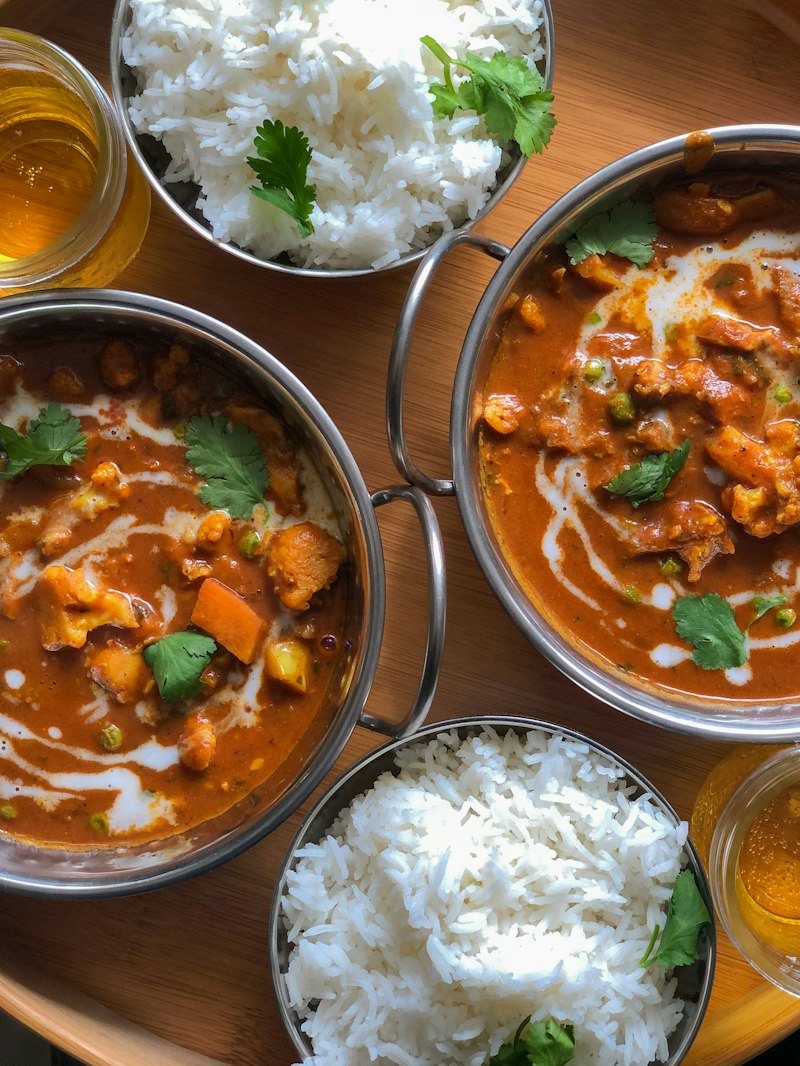
Plant Protein vs Animal Protein — Key Differences Table
Let's cut through the noise. Both plant and animal proteins have pros and cons. Your job is to understand the trade-offs and build a diet that works for YOUR body, YOUR budget, and YOUR ethics.
| Parameter | Plant Protein | Animal Protein |
|---|---|---|
| Amino Acid Profile | Incomplete alone (needs combining) | Complete (all 9 EAAs) |
| Digestibility (PDCAAS) | 0.7–0.9 (except soy at 1.0) | 1.0 (gold standard) |
| Fiber Content | High (gut health benefit) | Zero |
| Saturated Fat | Low | Moderate to High |
| Cost (India) | Low to Moderate (₹50-200/day) | High (₹150-400+/day) |
| Environmental Impact | Low | High |
The takeaway? Plant protein is perfectly adequate — but you need to know what you're doing. You can't just eat dal and call it a day. You need variety, combining, and sometimes supplementation.
For a deeper explore why all nine EAAs matter, read our Essential Amino Acids Guide.
Top 10 Plant Protein Food Sources in India
Let's get practical. Here are the best plant protein rich foods India has to offer — ranked by protein density, affordability, and availability. You'll find these in any Indian kitchen or local sabzi mandi.
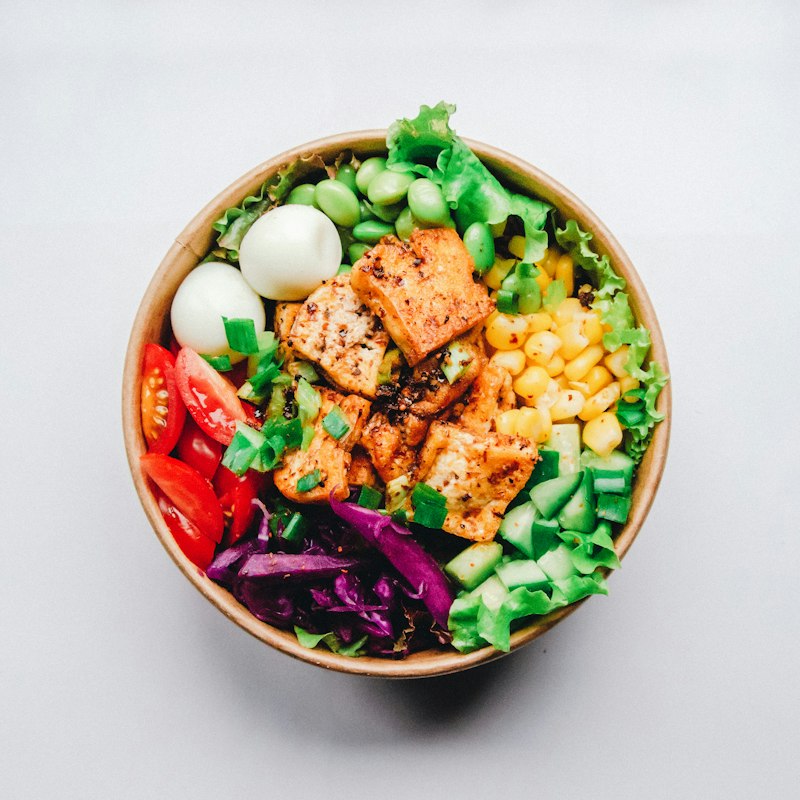
| Food Source | Protein (per 100g cooked) | Complete? (Alone) | Best Combined With |
|---|---|---|---|
| Soybean / Tofu | 16-18g | ✅ Yes (rare complete plant protein) | Can be eaten alone |
| Lentils (Masoor/Moong) | 9g | ❌ Missing methionine | Rice, roti, millets |
| Chickpeas (Chana) | 8-9g | ❌ Missing methionine | Roti, rice, bread |
| Paneer (not fully plant-based) | 18g | ✅ Complete (animal-derived) | Vegetables, roti |
| Quinoa (imported) | 8g | ✅ Complete | Can be eaten alone |
| Hemp Seeds | 31g | ✅ Complete | Smoothies, salads, roti dough |
| Pea Protein (processed) | 80g+ (as powder) | ❌ Missing methionine | Rice protein (blend) |
| Spirulina | 57g (dried powder) | ✅ Complete | Smoothies, water |
| Edamame (young soybean) | 11g | ✅ Complete | Can be eaten alone |
| Nuts (Almonds/Walnuts) | 21g (per 100g) | ❌ Low in lysine | Legumes, dairy |
Notice something? Only soy (tofu, edamame), quinoa, hemp, and spirulina are complete by themselves. Everything else needs a partner. That's why traditional Indian meals pair dal with rice or roti with chana. Your ancestors knew what they were doing.
If you're struggling to hit your daily target, read our guide on 7 Signs You're Not Getting Enough Protein.
What is Poor Man's Protein? (Dal/Chana/Moong — India Cultural Hook)
You'll hear this phrase in villages across India: "poor man's protein" or "gareeb ka protein." It refers to dal, chana, moong, and other legumes — the affordable protein sources that have fed generations of Indians on a budget.
Here's the cultural reality: A laborer eating 300g of cooked dal (≈27g protein) with 4 rotis (≈12g protein) gets about 40g of protein for a meal costing under ₹40. That's incredibly efficient. The problem isn't that these foods are "poor." The problem is that they're incomplete on their own.
When you eat dal alone (without rice or roti), your body doesn't get the methionine it needs to use that protein effectively. You're literally wasting some of that protein because the limiting amino acid prevents full utilization.
The fix? Traditional wisdom again. Dal-rice or roti-dal completes the amino acid profile. One isn't "poor." One isn't "rich." They're partners. That's how you get complete plant protein examples from everyday Indian meals.
How Indians Use Plant Protein — Roti Dough, Milk/Lassi, Empty Stomach, Jan Aushadhi Angle
Let's look at how protein actually shows up in Indian kitchens — not in a lab, but on your thali.
1. Roti Dough Reinforcement
Most Indian homes make roti from whole wheat flour (atta). That's about 12-13g protein per 100g. But here's a hack: mix in besan (gram flour) or soya flour at a 4:1 ratio (4 parts wheat, 1 part legume flour). You'll boost protein by 30-40% without changing the taste or texture. This is plant protein rich foods India at its most practical.
2. Milk and Lassi as Protein Carriers
Traditional Indian diets include dairy — not strictly plant-based, but vegetarian. A glass of lassi (200ml) gives you 6-8g of high-quality complete protein. Adding a scoop of plant protein powder to your morning lassi? That's a 30g protein start to your day.
3. Empty Stomach Protein Timing
Ayurveda and modern nutrition agree: the first meal of the day matters. After an overnight fast (8-10 hours), your body is primed to absorb nutrients. Starting with a protein-rich breakfast (soya chunks, paneer, or a protein shake) sets your muscle synthesis for the day.
4. The Jan Aushadhi Angle
India's Pradhan Mantri Bhartiya Janaushadhi Pariyojana (PMBJP) sells generic medicines at low cost. But protein isn't medicine — it's food. You won't find quality plant protein at Jan Aushadhi centers because protein supplements require formulation, not just repackaging. That's where brands like Sovor Edge come in — FSSAI certified, formulated with PDCAAS 1.0, and available online.
How to Get 30g Protein Without Meat — Visual Table (Food + Grams)
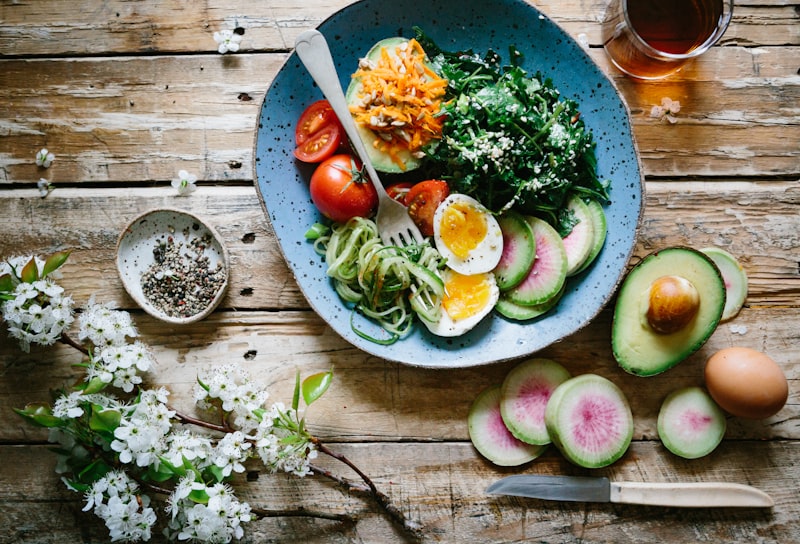
Here's a practical, visual guide to building a 30g protein meal without touching meat. Mix and match from these options:
| Food Item | Portion Size | Protein (g) | Cost (₹ approx) |
|---|---|---|---|
| Moong Dal (cooked) | 250g (1 katori) | 9g | ₹15 |
| Tofu (grilled) | 150g | 15g | ₹45 |
| Quinoa (cooked) | 200g (1 bowl) | 8g | ₹50 |
| Soy Chunks (cooked) | 50g (dry weight) | 25g | ₹20 |
| Paneer (grilled) | 100g | 18g | ₹45 |
| Chana (boiled) | 200g | 16g | ₹20 |
| Peanut Butter (natural) | 2 tbsp (32g) | 8g | ₹25 |
| Sovor Edge Plant Protein | 1 scoop (30g) | 21.6g | ₹120 |
Example 30g vegetarian meal: 150g tofu (15g) + 1 scoop Sovor Edge (21.6g) = 36.6g protein. That's a post-workout meal that actually works.
For a personalized target, use our Daily Protein Intake Guide to calculate exactly what you need.
What is the 30-30-3 Rule for Protein?
You'll see "30-30-3" mentioned in sports nutrition circles. Here's what it actually means:
- 30g protein within 30 minutes of waking up (first meal)
- Repeat that 3 times per day (breakfast, lunch, dinner)
That's 90g protein daily — suitable for active adults, athletes, or anyone over 80kg body weight. For most Indians (65-75kg), 30-30-2 (60g total) is more realistic.
🧮 Not sure how much protein you actually need?
Use our free calculator — built on ICMR guidelines for Indian adults. Get your exact daily target in 30 seconds.
Calculate My Protein Needs →The science behind it: Muscle protein synthesis spikes after a protein-rich meal, then returns to baseline after 3-4 hours. Spreading your intake across meals keeps that synthesis active all day. One large protein meal won't do it — you need consistent dosing.
If you're struggling to get 30g from food alone, supplementation becomes tactical. One scoop of Sovor Edge (₹1399/400g) gives you 21.6g of complete, PDCAAS 1.0 protein with zero bloating.
Plant Protein Supplements — When Food Isn't Enough (Bridge to Spoke Posts)
Here's the honest truth: you can get all your protein from food. Dal, chana, tofu, paneer, roti — it's possible. But it requires planning, cooking, and eating large volumes of food. For many professionals, that's not realistic.
That's where plant protein supplements come in. Not as a replacement for food — as a bridge. You still eat your meals. You just add one strategic scoop to fill the gap.
When does a supplement make sense?
- You're consistently falling 15-20g short of your daily target
- You have a demanding schedule and can't prep 3-4 protein-rich meals daily
- You're over 50, pregnant, or recovering from illness (higher protein needs)
- You're an athlete or regularly active (1.2-1.6g per kg body weight)
If any of these describe you, read our detailed comparison: How Sovor Edge Stands Out — Best Plant-Based Protein in India.
Best Plant Protein Brands in India 2026 — Summary Table
Based on PDCAAS score, ingredient quality, and third-party certification, here's how leading brands compare:
| Brand | Price (per 400g) | PDCAAS | Digestive Enzymes | Sweetener |
|---|---|---|---|---|
| Sovor Edge | ₹1,399 | 1.0 | ✅ Yes (Pepsin + Papain) | Monk Fruit + Stevia |
| Oziva Protein & Herbs | ₹1,599/500g | 0.92 | ❌ No | Stevia |
| Plix Strength | ₹1,999/450g | 0.89 | ❌ No | Stevia |
| The Whole Truth | ₹1,999/400g | 0.91 | ❌ No | Jaggery |
Plant Protein by Budget — Under ₹500 / ₹500–₹1000 / ₹1000–₹2000 / ₹2000+
Protein doesn't have to break your bank. Here's how to get it at every price point:
- Under ₹500/month: Whole foods only. Dal, chana, moong, soy chunks, roti, curd. A 65kg person can hit 50-60g daily for under ₹400/month. That's the power of traditional Indian diets.
- ₹500–₹1000/month: Whole foods + targeted supplementation. Add 1 scoop of plant protein powder on training days (15-20 scoops/month). Brands like Nutrija or Yoga Bar fit here.
- ₹1000–₹2000/month: Daily supplementation (30 scoops/month). Sovor Edge at ₹1,399 for 400g gives you 13 scoops (≈3-4 weeks). Combine with whole foods for 70-80g daily.
- ₹2000+/month: Premium blends with digestive enzymes, complete amino profiles, and clean labels. Sovor Edge fits here, as do imported options like Orgain or Vega (available on Amazon India).
For a clean, FSSAI-certified option with no artificial sweeteners, Sovor Edge (₹1399/400g) is our top pick in the ₹1000-2000 bracket.
Plant Protein Ke Fayde (Hindi FAQ Block)
Here's what you need to know about plant protein ke fayde (benefits of plant protein) in simple Hindi:
❓ Plant protein ke kya fayde hain?
Plant protein muscles ki repair aur growth mein help karta hai, immunity badhata hai, aur weight control mein sahayak hai. Ye lactose-free hai, isliye bloating nahi hoti.
❓ Kya plant protein se body ban sakti hai?
Haan, bilkul. Agar aap complete amino acid profile wala plant protein lete hain (jaise Sovor Edge with PDCAAS 1.0), toh muscle growth same speed se hoti hai jitni whey se hoti hai.
❓ Plant protein lene ka sahi time kya hai?
Post-workout (30 minutes mein) aur subah nashte mein sabse effective hai. Agar aap vegetarian hain, toh dono times pe protein lena jaroori hai.
Frequently Asked Questions — Plant Protein Safety & Science
Let's address real concerns with real science:
❓ Is plant protein safe for diabetics?
Yes. Plant protein (especially pea and rice blends) has a minimal glycemic impact. Sovor Edge uses monk fruit, which doesn't spike blood sugar. ICMR recommends plant-forward diets for type 2 diabetes management.
❓ Can pregnant women take plant protein?
Yes, with a doctor's approval. Pregnancy increases protein needs by 10-15g daily. Plant protein supplements can help meet that target, especially for vegetarian mothers.
❓ Is plant protein hard on kidneys?
For healthy kidneys, no. For existing kidney disease, consult your nephrologist. Plant protein may actually be easier on kidneys than animal protein because it produces less acid load.
❓ Does plant protein cause acne?
Unlikely. Whey protein is linked to acne in some individuals due to IGF-1. Plant protein (especially clean-label options without artificial sweeteners) rarely triggers acne.
❓ Can kids take plant protein?
For children under 12, prioritize whole foods. For teenagers active in sports, half-scoops of clean plant protein (without stimulants) are safe.
❓ Does soy plant protein increase estrogen?
No. This is a myth. Soy contains phytoestrogens (plant compounds) that do NOT affect human estrogen levels. Over 100+ studies confirm soy is safe for men, women, and children.
The Bottom Line: Your Plant Protein Strategy
Here's your actionable takeaway:
- First, fix your food. Dal-rice, roti-chana, soy chunks, paneer, curd. These are your foundation.
- Second, combine wisely. Legumes + grains = complete protein. Don't eat dal alone.
- Third, use the 30-30 rule. Spread your protein across meals. Don't dump it all in one dinner.
- Fourth, supplement the gap. If you're consistently short by 15-20g, add a clean plant protein shake.
If you've read this far, you care about your health. Now act on it. Food First. Supplement Smart.
🤝 Profit From Our Experience — Sovor Partner Program
Recommend Sovor Edge to your audience and earn up to 10% commission on every successful referral. No targets. No lock-in. Just honest recommendations that pay.
Join the Partner Program →🎯 Ready to Fill Your Protein Gap?
Thousands of Indian vegetarians have upgraded their nutrition with Sovor Edge — PDCAAS 1.0, zero bloating, monk fruit sweetened.
₹1,399 for 400g | Belgian Chocolate Almond
Try Sovor Edge →FSSAI certified. No artificial sweeteners. Free shipping on prepaid orders.
📚 References & Sources
- ICMR-NIN. Recommended Dietary Allowances for Indians, 2020. National Institute of Nutrition.
- IMARC Group. India Plant-Based Protein Market Report 2025-2033. (USD 552M to 1.9B at 14.8% CAGR)
- NNMB. Nutrient Intakes and Nutritional Status of Indian Population. National Nutrition Monitoring Bureau, 2012.
- Pubmed ID: 23107548. Br J Nutr. 2013 — Protein quality evaluation of plant-based proteins.
- Messina M. Soy and Health Update: Evaluation of Clinical and Epidemiological Literature. Nutrients. 2016.
From sources to a scoop: vegan and plant-based options
Dal, chana, paneer, soya and curd cover the amino acids — but most Indian plates still fall short on total protein. A vegan protein powder or plant based protein powder from pea protein and brown rice closes the gap; a clean protein powder with no added sugar keeps it simple.
Which plant protein powder is best for vegetarians?
A complete one: pea plus rice, with B12 and D3 (the usual vegetarian shortfalls), monk-fruit sweetened and no fillers.
Is vegan protein powder enough on its own?
No — it supplements the plate, it does not replace it. Food first; the shake covers what the plate missed.