
In this article
Are you getting enough protein from your daily Indian meals? Most vegetarians are shocked when they find out the answer.
Ever picked up a protein powder in a health store, stared at the label, and had absolutely no idea what you were reading?
📌 Complete Guide:
top plant protein sources in India
— our full hub article covering all plant protein sources, ICMR requirements, and supplement choices for Indian vegetarians.
Also read: complete plant-based diet guide for Indians

How to Read Protein Powder Labels India: Complete 2026 Guide
You're doing everything right—tracking your protein, hitting your daily targets, but something feels off. The bloating won't stop, your energy crashes an hour after your shake, and those fitness gains seem to plateau no matter what you do.
The uncomfortable truth? You might be consuming a product that's fundamentally different from what's promised on the label. Recent FSSAI studies reveal that 70% of protein supplements in India are mislabelled, with some containing only half their claimed protein content while hiding sugars, fillers, and even contaminants.
In this complete guide, you'll discover why protein supplement label decoding is no longer optional—it's essential for your health. We'll cover the 7 critical label components, how to spot protein spiking, FSSAI's latest regulations, and practical strategies to identify truly clean, sugar-free protein supplements that deliver results without digestive distress.
Based on ICMR nutritional guidelines and FSSAI's 2024 crackdown findings, this is your complete guide to supplement transparency. Whether you're dealing with protein powder bloating or simply want to maximize your nutritional investment, mastering protein supplement label decoding ensures you get what you pay for—and what your body needs.
📑 Table of Contents

| Label Claim | What It Means | Red Flag? | India Context |
|---|---|---|---|
| 25g protein per serving | Per scoop, not per 100g | Check scoop size (30–50g?) | Many Indian brands inflate with amino spiking |
| Zero sugar | No added sugars | Check for maltodextrin | Common filler in Indian budget powders |
| Natural flavours | Could be anything | Not always clean | Ask for third-party lab report |
| Proprietary blend | Ingredients not disclosed | 🔴 Yes — avoid | No regulation in India on this |
| FSSAI certified | Meets Indian food standards | No, positive signal | Minimum requirement — not a quality badge |
India's protein supplement market is booming, but regulation has struggled to keep pace with explosive growth. A landmark 2024 study published in Medicine Journal analyzed 36 popular protein brands and uncovered alarming findings:
📊 DID YOU KNOW?
69.4% of protein supplements (25 of 36 brands) were mislabelled, with actual protein content ranging from <10% to >50% below advertised claims. 14% contained fungal aflatoxins, and 75% contained heavy metals including lead.
The FSSAI's own testing confirmed these findings, revealing that some products offered only half their claimed protein content while containing harmful contaminants. This isn't just about wasted money—it's about health risks ranging from digestive issues to heavy metal exposure.
⚠️ IMPORTANT
Mislabelling isn't just inaccurate protein counts. It includes undisclosed sugars, digestive irritants, and contaminants that can undermine your health goals. Proper protein supplement label decoding is your first line of defense.
7 Critical Components of Protein Supplement Label Decoding
Mastering protein supplement label decoding means understanding seven non-negotiable components. Let's break down each element with practical examples from both problematic and ideal labels.
1. Protein Source & Purity Verification
The first rule of protein supplement label decoding: specific beats generic. Look for explicit naming like "whey protein isolate" or "pea protein concentrate" rather than vague terms like "milk protein" or "plant protein blend."
💡 PRO TIP
For plant proteins, look for combinations like pea and rice protein that provide all nine essential amino acids. Single-source plant proteins often have incomplete amino acid profiles, limiting their effectiveness for muscle repair and immune function.
2. Protein Content & Serving Size Alignment
According to ICMR-NIN 2024 guidelines, most Indian adults need approximately 0.8-1g of protein per kg of body weight daily. A quality protein supplement should provide 20-25g per serving to meaningfully contribute to these targets.
Watch for inflated scoop sizes—some brands use 40-50g scoops to hide that only 15-20g is actual protein, with the rest being fillers and flavorings.
💡 PRACTICAL OBSERVATION
Many Indian consumers report that protein powders with scoop sizes over 35g often contain significant fillers. A 30g scoop with 24g protein indicates higher purity than a 45g scoop with the same protein content.
Based on common nutritional practices and user experiences
Spotting Protein Spiking & Amino Acid Manipulation
Protein spiking is the supplement industry's dirty secret—adding cheap amino acids like glycine, taurine, or creatine to artificially inflate protein content readings. Since standard protein tests (Kjeldahl method) measure nitrogen content, adding nitrogen-rich compounds tricks the tests.
😫 THE FRUSTRATION: Paying for premium protein but getting cheap amino acids that don't build muscle
🔍 THE REASON: Manufacturers add glycine, taurine, or creatine to inflate protein readings in standard tests
🚀 THE SOLUTION: Check ingredient lists for added amino acids in "proprietary blends." Choose brands with third-party testing that verifies actual protein content.
The Mumbai District Consumer Commission recently awarded Rs 1.1 lakh compensation to a fitness enthusiast who discovered his "high-protein" supplement was spiked with carbohydrates and sugars. This legal precedent highlights the seriousness of protein spaking practices.
🧮 Calculate Your Daily Protein Needs
Get your personalized requirement based on ICMR guidelines and activity level
Calculate FREE →Sugar & Sweetener Decoding: Beyond "No Added Sugar"
The phrase "no added sugar" can be misleading when manufacturers use sugar alcohols, artificial sweeteners, or high-glycemic fillers that impact blood sugar and digestion.
🔄 INSTEAD OF THIS: Choosing based on "no added sugar" claims without checking for maltodextrin, dextrose, or sugar alcohols
🎯 TRY THIS: Look for natural sweeteners like stevia and monk fruit. Avoid maltodextrin (GI 106-136), dextrose, and limit sugar alcohols like sorbitol (>20g causes digestive issues).
According to research published in Cellular and Molecular Gastroenterology, maltodextrin not only spikes blood sugar but can exacerbate intestinal inflammation and alter gut bacteria composition. This is particularly problematic for individuals already dealing with protein powder bloating or digestive sensitivity.
Fillers & Additives: The Hidden Digestive Disruptors
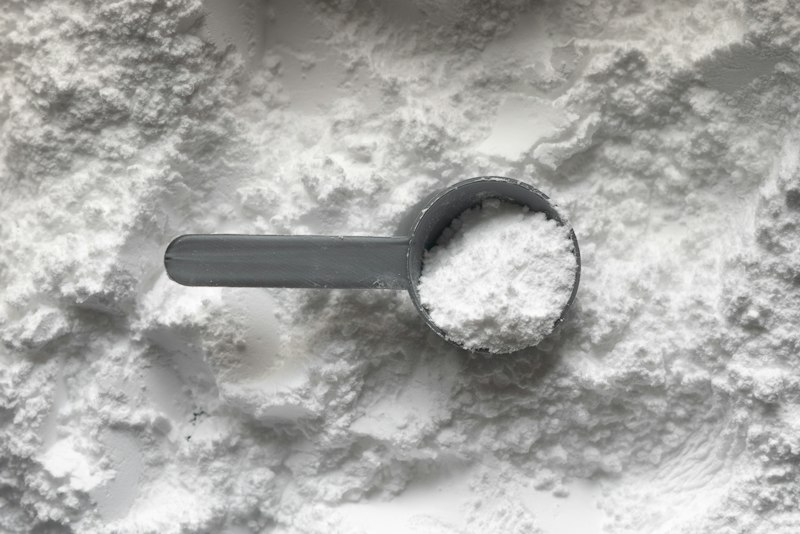
Many protein supplements contain fillers and additives that serve manufacturing purposes but offer no nutritional value—and can actively harm digestion.
🎯 KEY TAKEAWAY
The shortest ingredient lists are usually the cleanest. If you can't pronounce it or don't recognize it as food, your digestive system probably won't either.
Common problematic fillers include:
- Xanthan gum: While generally safe in small amounts, doses ≥15g can cause bloating, gas, and altered gut bacteria according to Healthline's complete review
- Soy lecithin: Generally well-tolerated but can cause issues for those with soy sensitivity
- Artificial flavors & colors: Serve no nutritional purpose and may trigger reactions in sensitive individuals
📥 FREE Download: Complete Protein Guide
Complete PDF with label decoding checklist, ingredient red flags, and ICMR guidelines
Download FREE →FSSAI Regulations & Third-Party Certifications
Understanding the regulatory landscape is crucial for effective protein supplement label decoding. In India, the FSSAI governs supplement regulations through several key documents:
- FSSAI Nutraceuticals Regulations: Establishes RDA limits, labeling requirements, and permitted ingredients
- Central License Requirement: Since 2022, all nutraceutical manufacturers require central FSSAI licenses regardless of turnover
- Labeling & Display Regulations: Specify exact requirements for ingredient listing, nutritional information, and claims
While improving digestive health through diet and proper protein supplement label decoding is crucial, many Indian vegetarians find that adding a gut-friendly protein supplement with prebiotic fiber helps bridge the nutritional gap more effectively.
Practical Label Decoding Checklist
📋 LABEL DECODING CHECKLIST
- Compare Ingredient Lists: Choose the shortest list with familiar, whole-food ingredients
- Verify Scoop vs. Serving: Ensure protein grams per serving align with scoop weight (30-35g ideal)
- Check Third-Party Certifications: Look for NSF, Informed-Choice, or USP verification seals
- Avoid Proprietary Blends: These hide exact ingredient ratios and amounts
- Verify FSSAI License Number: Ensure it's valid and matches the manufacturer
- Check Expiry Date: Ensure minimum 6-12 months remaining for freshness
Transparency in Action: Sovor Edge's Clean Label Philosophy

At Sovor Edge, we believe protein supplement label decoding shouldn't require a degree in nutrition. That's why we've built transparency into every aspect of our formulation and labeling.
🌱 Complete Your Protein Strategy
Sovor Edge is designed specifically for Indian vegetarian digestion and transparency:
- 21.6g Complete Protein - All 9 essential amino acids from pea and rice protein
- Prebiotic Fiber - Gut-friendly, prevents bloating naturally
- Zero Added Sugar - Naturally sweetened with monk fruit and stevia
- Ashwagandha + D3 + B12 - Complete daily wellness in one scoop
- FSSAI Certified - Central license verification for quality assurance
Ready to Transform Your Nutrition?
Thousands of Indians have already of Indian vegetarians who've solved their protein problem with transparent, clean-label nutrition
Shop Sovor Edge Now →✓ FSSAI Approved ✓ 100% Plant-Based ✓ No Added Sugar ✓ Third-Party Tested
❓ Frequently Asked Questions
What is protein supplement label decoding and why is it important?
Protein supplement label decoding is the process of understanding and interpreting all information on a protein supplement label to verify its contents, quality, and safety. It's crucial because FSSAI data shows 70% of protein supplements in India are mislabelled, with some containing only half their claimed protein content while hiding sugars, fillers, and contaminants that can undermine your health goals.
How can I spot protein spiking in supplement labels?
Look for added amino acids like glycine, taurine, or creatine in the ingredient list, especially within "proprietary blends." According to research in Medicine Journal, protein spiking involves adding these cheap amino acids to inflate protein readings in standard tests. Choose brands with third-party testing that verifies actual protein content rather than relying solely on manufacturer claims.
What does "no added sugar" really mean on protein labels?
"No added sugar" means no sucrose, fructose, or other traditional sugars were added during manufacturing. However, according to Harvard Health research, products can still contain sugar alcohols, artificial sweeteners, or high-glycemic fillers like maltodextrin that impact blood sugar and digestion. Always check the ingredient list for these hidden sweeteners and fillers.
Are artificial sweeteners in protein powders safe?
Most artificial sweeteners are FDA-approved and generally recognized as safe in moderation. However, according to Cleveland Clinic research, some people experience digestive issues with sugar alcohols like sorbitol, and recent studies suggest potential concerns with certain sweeteners. Natural options like stevia and monk fruit are generally better tolerated and don't impact blood sugar.
What should I look for in a clean protein powder label?
A clean protein powder label should have a short, recognizable ingredient list with specific protein sources (like "pea protein isolate"), natural sweeteners (stevia/monk fruit), no artificial colors/flavors, transparent amino acid profiles, third-party certifications, and valid FSSAI licensing. The protein content should be 20-25g per 30-35g serving for optimal purity.
How do I verify FSSAI certification on protein supplements?
Look for the FSSAI logo and license number on the label, typically near the manufacturer's address. Since 2022, all nutraceutical manufacturers require central FSSAI licenses regardless of turnover. You can verify the license number on the FSSAI website or through the Foscos portal to ensure it's valid and matches the manufacturer listed on the label.
What are the most common fillers to avoid in protein powders?
According to research in Cellular and Molecular Gastroenterology, the most common problematic fillers include maltodextrin (high GI, digestive issues), xanthan gum (bloating in high doses), soy lecithin (soy sensitivity concerns), and various sugar alcohols that can cause digestive distress. Artificial flavors and colors serve no nutritional purpose and may trigger reactions.
How much protein should I look for per serving?
According to ICMR-NIN 2024 guidelines, most Indian adults need 0.8-1g protein per kg body weight daily. A quality protein supplement should provide 20-25g per serving to meaningfully contribute to these targets. Be wary of inflated scoop sizes—some brands use 40-50g scoops to hide that only 15-20g is actual protein, with the rest being fillers.
What's the difference between protein concentrate and isolate?
Protein concentrate contains 70-80% protein with some fats and carbohydrates, while isolate undergoes further processing to remove most non-protein elements, resulting in 90%+ protein content. Isolates are generally purer and better for those with lactose sensitivity or wanting maximum protein per serving, though they're typically more expensive than concentrates.
Are third-party certifications important for protein supplements?
Yes, third-party certifications like NSF, Informed-Choice, or USP provide independent verification that a product contains what's claimed on the label without contaminants. According to NSF International, their certification involves actual testing (not just reviewing manufacturer data) for heavy metals, pathogens, and accurate ingredient levels, providing crucial quality assurance beyond FSSAI requirements.
Can protein powders cause digestive issues?
Many people experience protein powder bloating and digestive distress, often due to fillers, sweeteners, or low-quality protein sources rather than the protein itself. Common culprits include sugar alcohols, maltodextrin, artificial sweeteners, and for some, dairy-based proteins. Choosing clean formulas with prebiotic fiber and natural ingredients typically reduces digestive issues.
How does Sovor Edge ensure label transparency?
Sovor Edge practices complete label transparency with specific ingredient declarations (not proprietary blends), third-party testing verification, clear protein source identification (pea and rice protein), natural sweeteners only (monk fruit and stevia), no artificial additives, valid FSSAI central licensing, and prebiotic fiber for digestive comfort. Every component is chosen for both efficacy and transparency.
📚 Continue Learning

Arvind Jadli
Founder, Sovor Health & Guided Success Academy
Arvind runs Sovor Health and an active D2C store. These recommendations come from real usage and research by our team - not sponsored briefs.
At Sovor Health our philosophy is Food First. Supplement Smart. Choose supplements that complement your diet — transparent labelling, FSSAI certified, starting at Rs. 999–1,499 per month.
Plant protein powder — the short version
Sovor Edge is a plant based protein powder and a vegan protein powder in one jar: 21g of pea protein and brown rice a scoop, monk-fruit sweetened, with B12, D3 and Ashwagandha — a clean protein powder with no sucralose and no maltodextrin.